


Collision risks for birds at offshore wind farms
Karsten Friedrich • 19. Dezember 2025
From assumptions to reliable data
For years, the debate about bird collisions with offshore wind turbines has been based primarily on models, projections, and assumptions. The reason is trivial—and at the same time crucial: collisions at sea usually leave no traces. Birds fall into the water, are carried away, and the events remain invisible.
A recent article by Vattenfall now shows how this knowledge gap can be systematically closed for the first time - with the help of AI, 3D tracking, and thermography.
A new approach
Several studies in the North Sea are using technologies for the first time that can not only indirectly divert collisions, but also detect them directly:
- AI-supported camera systems reconstruct the flight paths of seabirds in three dimensions up to the immediate vicinity of the rotor blades.
- Thermal cameras detect birds migrating at night and objects that fall into the water after a possible collision.
- In addition, weather data, flight altitudes, number of birds, temporal concentration, and spatial density are evaluated to better understand causes and risk factors.
Surprising interim results
The initial results from the spring migration period in the Netherlands are particularly noteworthy:
Despite high numbers of birds, very few collisions were recorded—and these did not occur during nighttime bird migration. At the same time, the data show that birds perform very pronounced evasive maneuvers and actively adjust their flight paths.
These results should still be interpreted with caution – they are based on individual installations and limited time periods. Nevertheless, they represent an important turning point: for the first time, actual collision events can be measured rather than just modeled.
More accurate data enables targeted intervention
The debate surrounding the shutdown of wind farms during the bird migration season is highly sensitive. Every shutdown means less renewable electricity – and must therefore be ecologically effective and technically justifiable. This is precisely where the added value of the new approaches lies:
they enable evidence-based decisions instead of blanket precautionary measures.
Conclusion:
The real progress isn't just in the AI itself, but in the mix of tech, biological know-how, and transparency. If we can bring together nature conservation and the energy transition based on solid measurement data, both species protection and acceptance of offshore wind energy will win in the end.
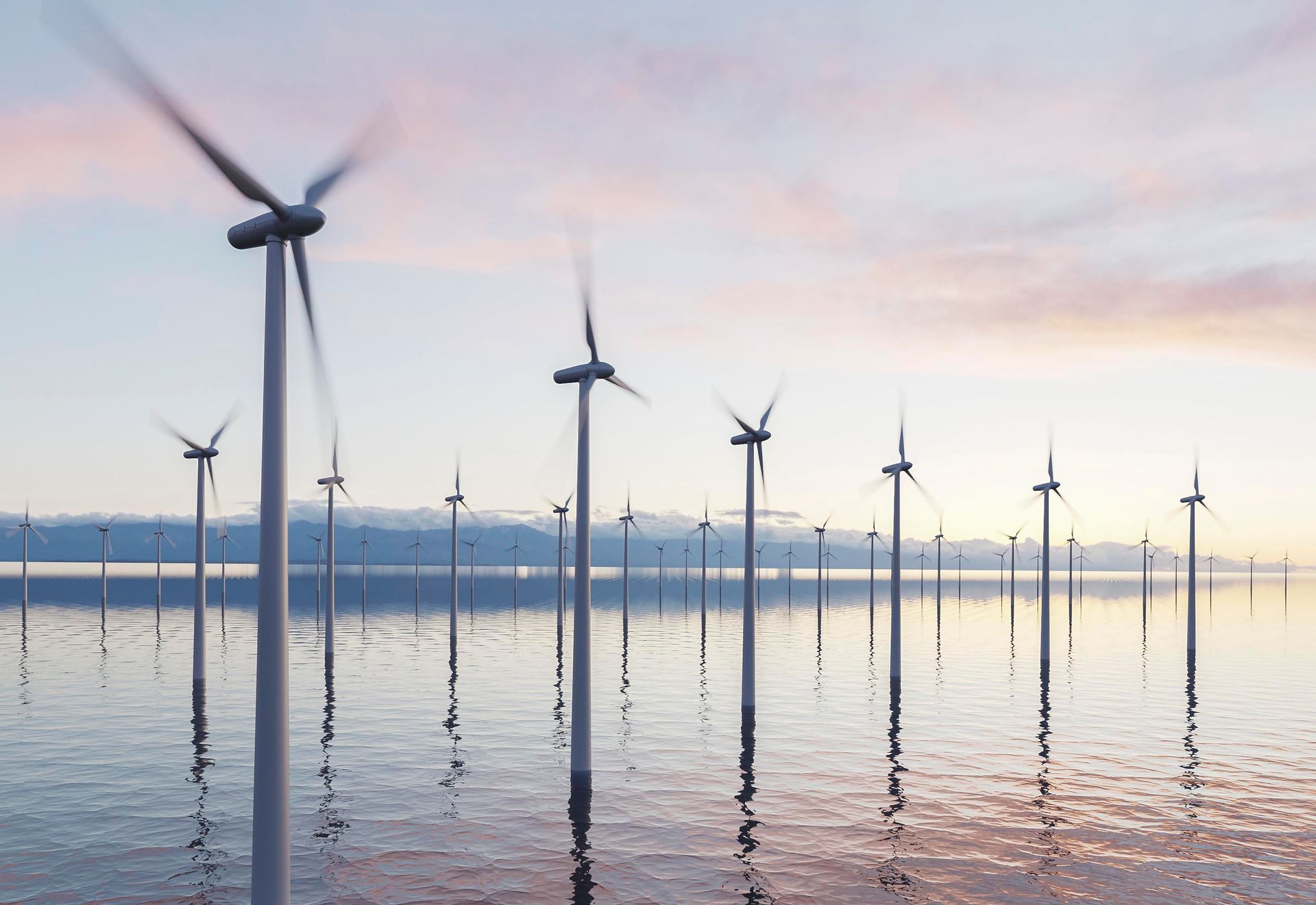
KI und Thermalkameras liefern erstmals belastbare Daten zu Vogelkollisionen an Offshore-Windparks – mit überraschend wenigen Treffern trotz intensiver Migration.
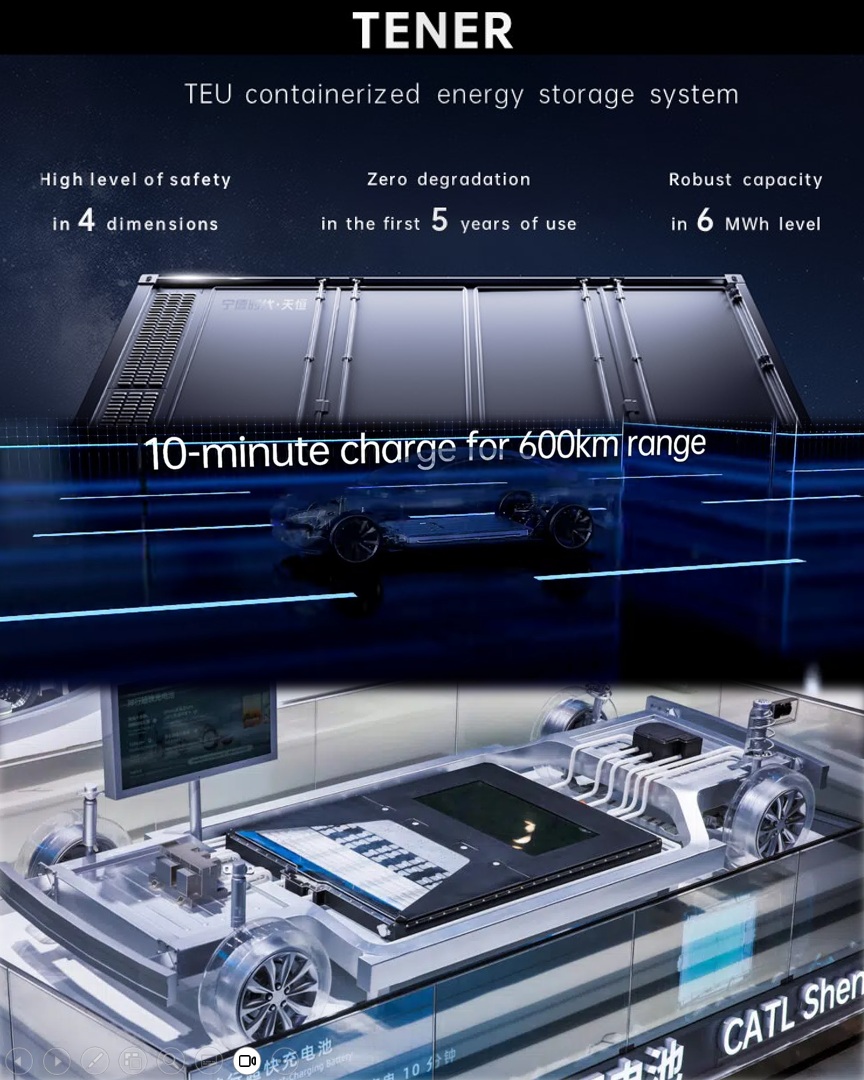
CATL hat drei neue Batterietechnologien vorgestellt, die mit außergewöhnlicher Reichweite, Ladegeschwindigkeit und Energiedichte neue Maßstäbe setzen – darunter ein LFP-Akku mit 1.000 km Reichweite und eine Zelle mit 500 Wh/kg. Diese Innovationen sind serienreif und verschieben das technologische Machtgefüge in der Elektromobilität klar zugunsten Chinas. Während westliche Hersteller noch mit Produktionsfragen ringen, setzt CATL mit Selbstbewusstsein den globalen Innovationstakt – mit geopolitischen Folgen.
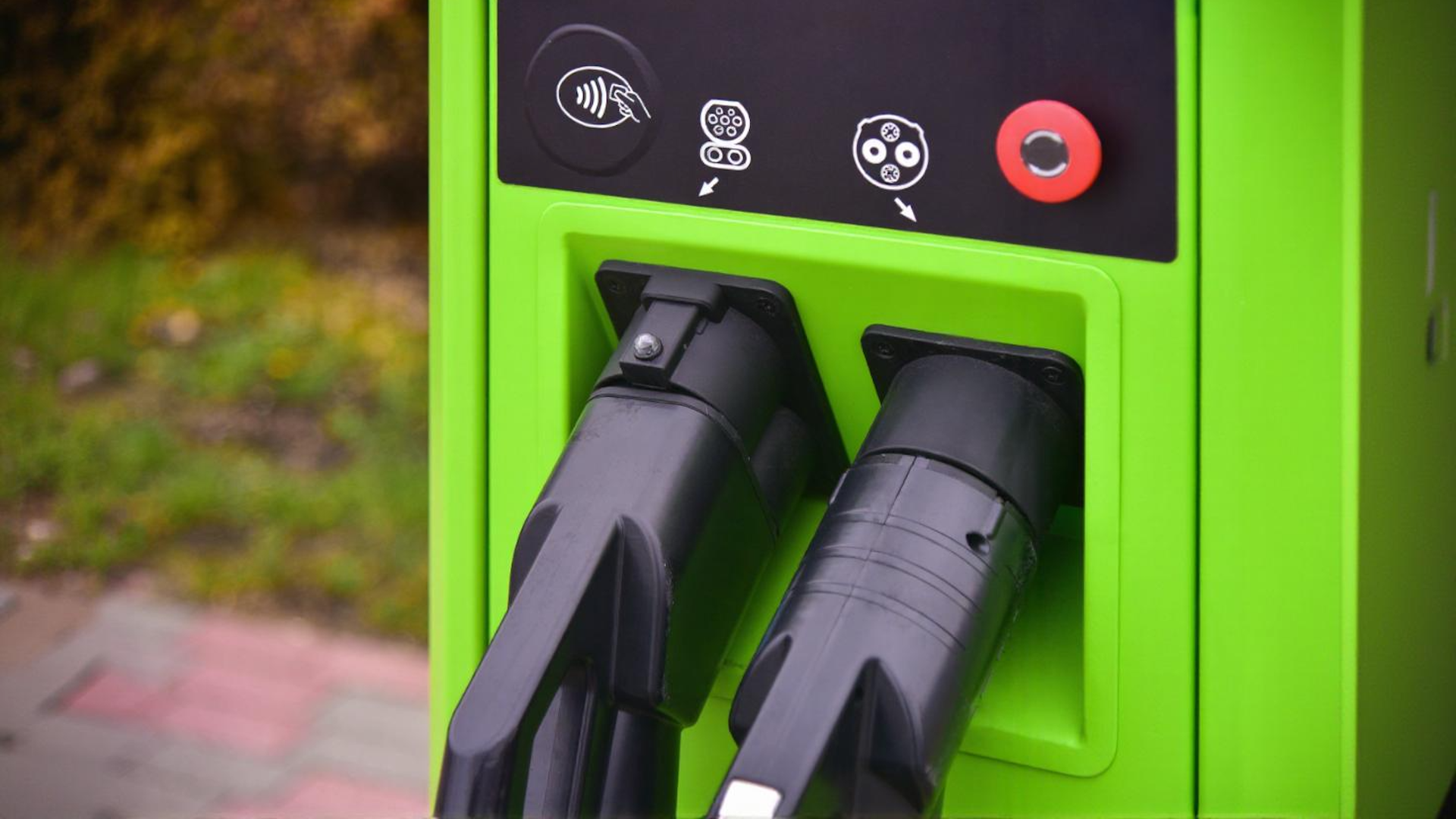
BYD hat mit seiner „Super E-Platform“ ein Schnellladesystem vorgestellt, das in nur fünf Minuten Energie für bis zu 470 km liefert, allerdings mit einer Leistung von bis zu 1 Megawatt erhebliche Belastungen für das Stromnetz mit sich bringen könnte. Experten relativieren jedoch diese Sorge, da Pufferbatterien und intelligente Netzsteuerung die Belastung abfedern könnten – größere Herausforderungen sehen sie eher im privaten Bereich bei gleichzeitiger Ladung. Als Alternative verfolgt Nio mit seinem Batterie-Wechselsystem einen Ansatz, der das Netz entlastet und in China bereits weit verbreitet ist, während Europa noch im Rückstand bleibt.

Auch wenn es kein Gesetz gibt, das explizit eine verantwortliche Elektrofachkraft (VEFK) vorschreibt, ergibt sich die Pflicht zur Bestellung indirekt aus dem Arbeitsschutzgesetz und der Betriebssicherheitsverordnung. Arbeitgeber sind verpflichtet, Gefährdungen durch elektrische Anlagen zu minimieren, was fachliche Kompetenz erfordert – die meist nur durch eine VEFK sichergestellt werden kann. In Betrieben mit komplexen oder umfangreichen elektrotechnischen Anlagen ist eine VEFK daher unerlässlich, sei es als festangestellte Fachkraft oder als externer Dienstleister.
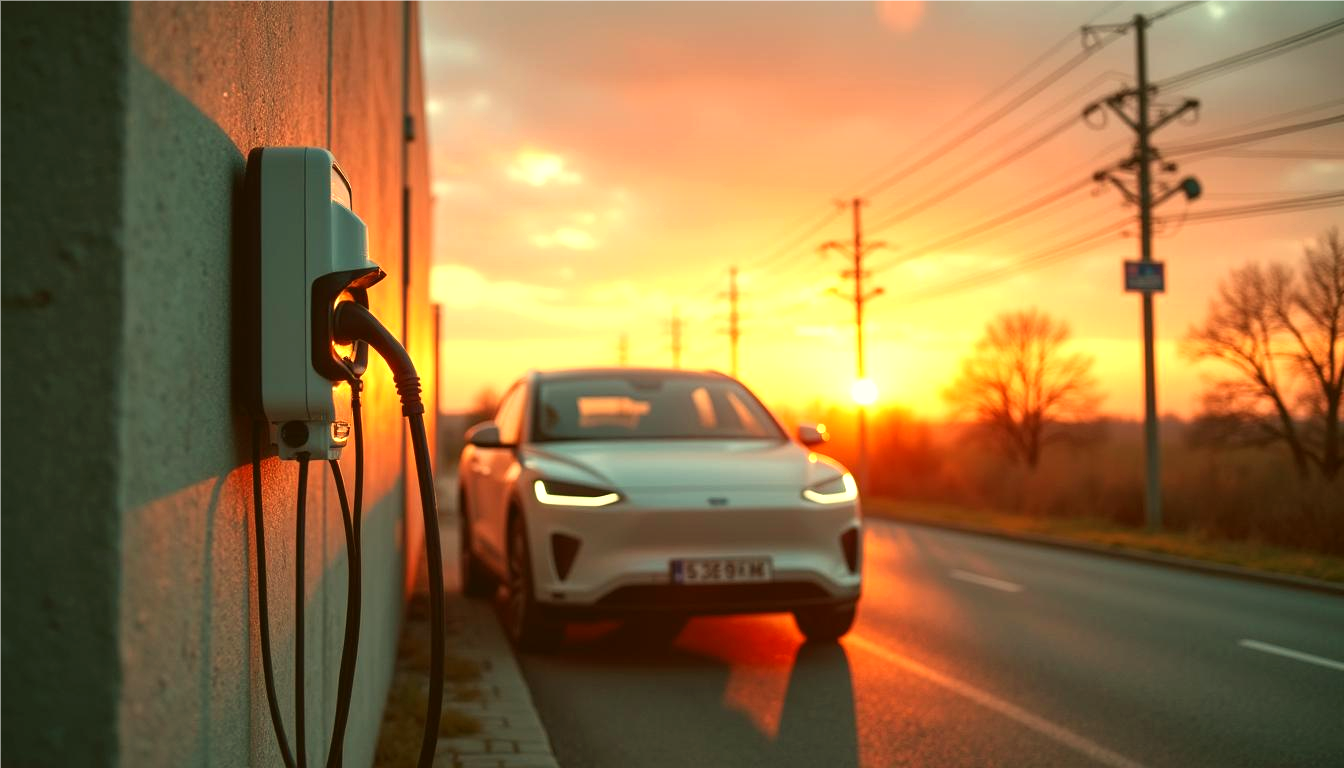
Elektromobilität ist heute alltagstauglich – vor allem für Menschen mit eigener Lademöglichkeit – auch wenn öffentliche Ladeinfrastruktur, Ladezeiten und uneinheitliche Bezahlsysteme noch Hürden darstellen. Die größten Fortschritte sind von der Batterietechnologie zu erwarten: Schnellladbarkeit, geringeres Gewicht und niedrigere Rohstoffkosten sollen Reichweite erhöhen und E-Autos günstiger machen. Damit Elektromobilität massentauglich wird, braucht es neben besseren Batterien auch mehr Schnellladestationen, einen ausgebauten Stromnetzzugang und einheitliche Bezahllösungen.