
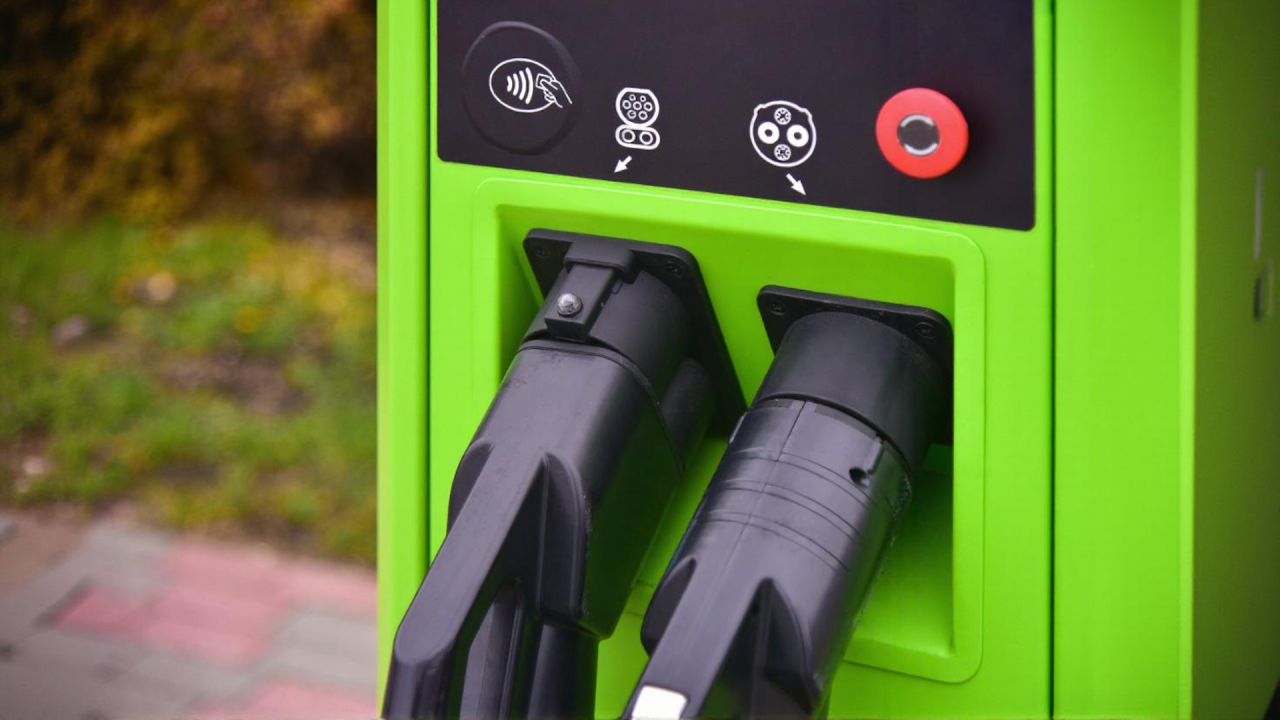
BYD’s new fast-charging system: a revolution or a strain on the power grid?
Chinese electric car manufacturer BYD has unveiled its new “Super E-Platform”, a fast-charging system designed to provide enough energy for a range of up to 470 kilometres in just five minutes. With a peak power output of up to 1,000 kilowatts (1 megawatt), BYD is setting new standards in the field of ultra-fast charging.
Challenges posed by high electricity demand
However, this technology presents significant challenges. The high electricity demand could place a heavy strain on the existing power grid. For example, charging just 1,000 vehicles simultaneously using this technology would require 1.4 gigawatts of power – comparable to the capacity of a large power station. Experts therefore warn of a potential overload on the power grid, particularly if the number of electric vehicles continues to rise.
Experts are therefore warning of a potential overload on the electricity grid, particularly if the number of electric vehicles continues to rise.
Sepp Reitberger, editor-in-chief of EFAHRER.com, considers this assessment to be exaggerated. He argues that, in practice, such high-power charging stations will be equipped with buffer storage systems, such as batteries, to cushion the load on the grid. Furthermore, he argues that the assumption that many vehicles will be charging simultaneously using 200 kW chargers is unrealistic, as the number of such stations is limited. Reitberger sees greater challenges in simultaneous charging at home wallboxes during the evening hours. Here, measures such as grid operators throttling charging power or the use of variable electricity tariffs could help to manage the grid load. In the long term, however, there is no way around expanding the infrastructure.
Alternative approaches: battery swap systems
In light of these challenges, some manufacturers are turning to alternative solutions. The Chinese manufacturer Nio, for example, is pursuing a battery swap system in which flat batteries can be exchanged for fully charged ones at special stations within a matter of minutes. This system reduces the strain on the electricity grid, as the batteries can be charged independently of the vehicle. Nio already operates over 3,200 such swap stations in China and plans to further expand this network; to this end, it has established the battery swap division NIO Power to drive forward the expansion of Power Swap Stations and, where possible, to cooperate with other manufacturers. To this end, NIO is involved in the development of the draft standard E DIN EN IEC 62840-2 (VDE 0122-40-2), which sets out general safety requirements for battery swap systems and stations for electric vehicles.
There are still only a few of these swap stations in Europe. According to the NIO Power website, there are currently 59 across Europe, 19 of which are in Germany, with the rest spread across Norway, Sweden, the Netherlands and Belgium.
Conclusion
BYD’s new fast-charging system could represent a significant step forward for electric mobility. However, the infrastructure challenges, particularly with regard to high electricity demand, must be carefully addressed. Alternative approaches, such as battery swap systems, could help to reduce the strain on the electricity grid and further boost the uptake of electric vehicles.
Whilst European manufacturers are closely monitoring developments in China, they are currently focusing on optimising existing charging infrastructure and technologies. Direct competition with the advanced fast-charging or battery-swapping systems from BYD or NIO is not foreseeable in the short term.
CHIP – ePower – Top recommendations for e-mobility & energy
Sustainable technology made easy: CHIP ePower recommends electric cars, e-bikes, solar panels, heat pumps, energy solutions and small electric vehicles.